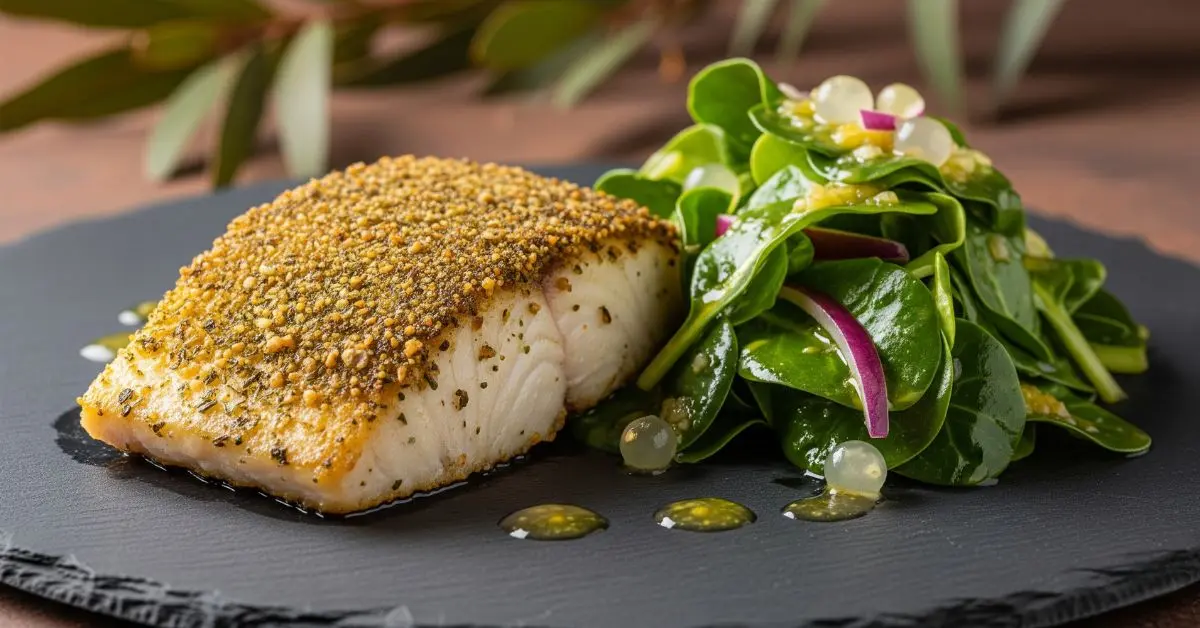
Mountain Pepper Barramundi Recipe
Now on Recipes.Live
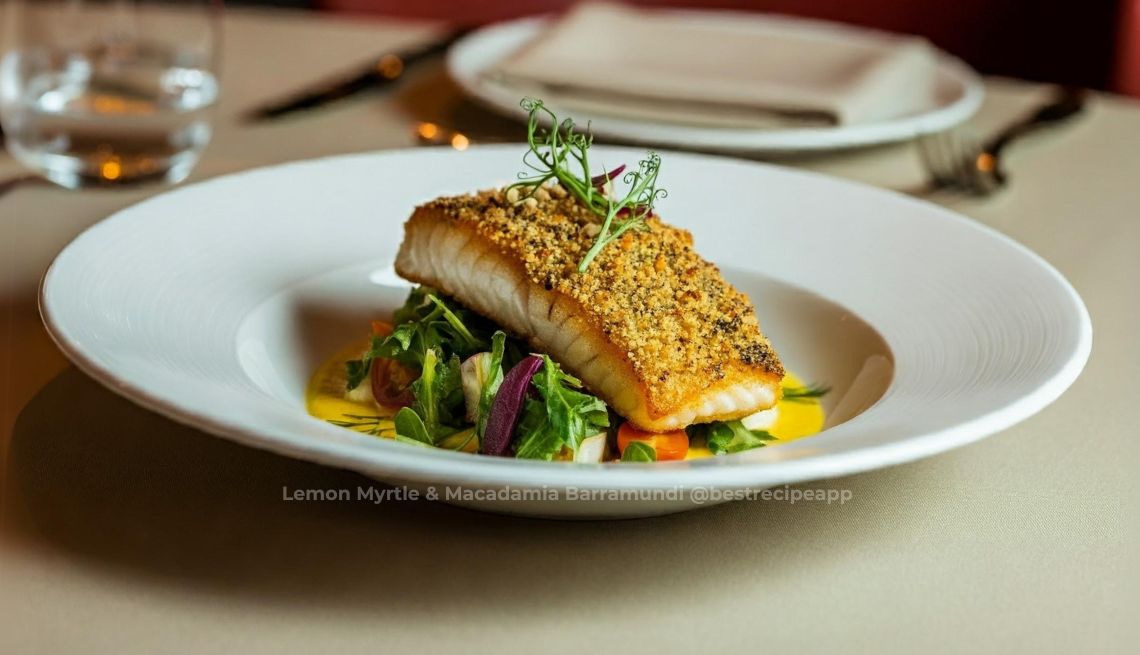
In the fast-paced world we live in, the joy of cooking can often feel overshadowed by the pressures of time and complexity. Easy recipes emerge as a delightful solution, catering to various occasions such as weeknight dinners, family gatherings, or even spontaneous entertaining. The essence of easy cooking lies in its ability to deliver satisfying meals without the burden of extensive preparation or intricate techniques. By embracing simple recipes, individuals can rediscover the pleasure of preparing and enjoying wholesome food without unnecessary stress.
Many home cooks often find themselves overwhelmed by the myriad of cooking methods and ingredients available, leading to the misconception that great meals require elaborate procedures. However, easy recipes provide accessible options that encourage culinary exploration. These straightforward dishes often utilize a handful of ingredients, making them not only time-efficient but also budget-friendly. For those new to cooking or seasoned chefs looking for a quick fix, these recipes serve as a platform to experiment without fear of failure.
Moreover, the spirit of easy recipes extends beyond mere convenience. It invites individuals to tap into their creativity and personal preferences, enabling them to customize dishes to suit their tastes. Whether it’s a comforting pasta for a quiet weeknight or a vibrant salad for a lively gathering, the flexibility of easy recipes allows everyone to make cooking a joyful experience. By embracing this approach, one can savor delightful meals that foster togetherness and create lasting memories around the dinner table. As we venture further into the world of easy cooking, let us uncover the joy and satisfaction that comes from creating and sharing delicious, uncomplicated meals.
Food presentation plays a vital role in the overall dining experience, transforming a simple meal into an appealing feast for the eyes. The ‘dark and moody’ aesthetic in culinary presentations has become increasingly popular, as it adds an element of drama and sophistication to even the most straightforward recipes. This approach utilizes contrasting colors, shadows, and textures, invoking a sense of elegance and intrigue that can captivate diners and set the mood for an unforgettable meal.
To achieve this cinematic style, begin by considering the color palette of your ingredients. Dark, rich colors such as deep purples, vibrant greens, and charcoal greys not only provide visual interest but also convey a sense of depth. Place these ingredients against lighter backgrounds to enhance their vividness. For instance, a creamy white plate can beautifully showcase a vibrant beet salad, while dark slate boards allow the lustrous hues of roasted vegetables to shine.
Another essential element is the use of natural lighting. Dim or subdued lighting can evoke a cozy ambience, ideal for showcasing heartier dishes. However, avoid complete darkness; instead, aim for a balance that highlights the textures and details of the food without overpowering them. Mood lighting may also complement the darker color schemes, allowing the intimate environment to harmonize with your culinary presentation.
In addition, pay attention to the plating. Minimalistic styling often works best; consider asymmetrical layouts or unexpected arrangements that break the traditional mold. Height can also contribute to a striking presentation; layer elements like sauces or garnishes strategically to create dimension. The careful selection of serving vessels—think rustic wooden boards or glossy black plates—can elevate the overall look, reinforcing the ‘dark and moody’ theme.
Ultimately, mastering the art of dark and moody culinary presentations is not merely about aesthetic appeal; it is about transforming the ordinary into the extraordinary, capturing the essence of each dish, and inviting your guests to savor the experience from the moment they lay their eyes on the plate.
Understanding and managing meal costs can significantly impact your cooking experience and budget. Whether you are cooking at home or preparing meals for catering, knowing how to calculate expenses is essential. Effective budgeting and meal planning can help you save money while still enjoying delicious dishes. A convenient tool that can assist you in this process is the EasyRecipeApp, which can streamline your meal planning and cost calculations.
To begin mastering meal costs, start by compiling a list of your frequently used ingredients along with their respective prices. This can be done by checking local grocery store flyers, online grocery websites, or even using receipts from previous shopping trips. Once you have a comprehensive price list, calculating meal costs becomes a straightforward task. For each recipe, total the prices of the individual ingredients required. It is advisable to divide bulk items among multiple meals to maximize efficiency and minimize waste.
The EasyRecipeApp is designed to simplify this process further. Once downloaded, you can input your ingredients and their costs directly into the app. This software will calculate the total meal cost instantly, allowing you to make informed decisions about your meal preparation. To use the app effectively, follow these steps: first, register an account, then enter the ingredient list for your recipe along with their costs. The app will automatically generate the total, helping you decide whether the meal fits within your budget.
Incorporating such tools and strategies will not only render food preparation affordable but also enjoyable. By evaluating your costs and experimenting with recipes, you can gain better control over your culinary expenses. Ultimately, mastering meal costs is about striking a balance between quality and financial efficiency, making your cooking experience both rewarding and budget-friendly.
Estimating the cost of ingredients is an essential skill for anyone looking to budget effectively for their cooking adventures in Australia. A variety of factors can influence the prices of food items, including seasonal availability, market trends, and regional variances. Understanding how to gauge these costs will empower home cooks to create delicious meals while managing their finances efficiently.
One of the first steps in estimating ingredient costs is to familiarize yourself with local markets. Supermarkets often have varying prices compared to farmers’ markets and specialty stores. For instance, purchasing fresh produce at a local farmers’ market can sometimes yield better prices than at retail outlets, especially for seasonal fruits and vegetables. In contrast, some specialty items may be found at lower prices in niche stores, so it’s beneficial to explore multiple venues when sourcing ingredients.
Seasonality plays a significant role in ingredient pricing. Many fruits and vegetables are less expensive when they are in season, as the supply increases. For example, buying strawberries during their peak season will generally be more cost-effective than in the winter months. Additionally, considering bulk purchases for non-perishable items can also lead to cost savings, especially when buying staple ingredients like rice, pasta, and canned goods.
Another useful strategy when estimating costs is to keep track of price changes over time. Maintaining a simple log can help you understand pricing patterns and make more informed decisions about when to buy certain items. Furthermore, apps and online platforms exist that can assist in tracking ingredient prices across various stores, allowing you to identify the best deals available in your area.
In conclusion, understanding how to estimate the cost of ingredients in Australia involves considering market sources, seasonal trends, and personal budgeting practices. By implementing these strategies, you can ensure that your cooking endeavors remain enjoyable and financially feasible.
In today’s fast-paced world, understanding the nutritional value of meals is more crucial than ever. With the rise of convenient cooking, it is essential to prioritize ingredients that not only taste good but also contribute positively to overall health. Easy recipes can be both delicious and nutritious, promoting a balanced diet that satisfies the body and the palate.
The first step in creating health-conscious meals is to familiarize oneself with the nutritional components of various ingredients. A simple guideline is to ensure that recipes include a variety of food groups: vegetables, whole grains, lean proteins, and healthy fats. Each group provides essential nutrients that the body needs to function optimally—vitamins, minerals, and fiber all require attention when selecting components. For instance, incorporating leafy greens such as spinach or kale not only adds flavor but also boosts antioxidants, which can enhance overall health.
When measuring the nutritional value of meals, tools such as nutrient calculators or food labels can prove invaluable. These resources help to understand portion sizes and calorie content, ultimately aiding in meal planning. For example, using whole grain pasta instead of traditional pasta can significantly increase fiber intake while still offering the satisfaction of a comforting dish. Additionally, selecting fresh produce over canned alternatives often enriches meals with better nutrients and fewer preservatives.
The benefits of maintaining a balanced diet extend beyond mere physical health. It can also lead to increased energy levels, improved mood and mental clarity. By incorporating easy and enjoyable cooking practices with healthy ingredients, individuals can create meals that nourish both the body and mind. Such an approach not only supports long-term health but fosters a deeper appreciation for the cooking process, turning a routine task into an enjoyable experience.
In contemporary cooking, inclusivity is paramount, requiring an understanding of various dietary restrictions that people may encounter. Addressing allergies, for instance, begins with acknowledging that common ingredients—such as nuts, gluten, or dairy—can cause significant health issues for some individuals. It is essential to identify these allergens when preparing recipes and to provide options that exclude these components, thus ensuring safety and enjoyment in the culinary experience.
One practical solution is to use alternatives that mimic the characteristics of traditional ingredients without their harmful effects. For instance, if a recipe calls for dairy, oat milk or almond milk can serve as excellent substitutes, providing creaminess without lactose. When adapting recipes for gluten-free diets, alternatives like almond flour or coconut flour can be used instead of wheat flour. This not only accommodates those with celiac disease or gluten intolerance but also introduces new flavors and textures to the dishes.
Veganism and vegetarianism also call for thoughtful modifications. In these cases, animal-based products can be replaced with plant-based options. For example, eggs in recipes can be substituted with flaxseed meal mixed with water or even products like aquafaba—a liquid obtained from cooked chickpeas. This ensures that veggie lovers and those committed to a vegan lifestyle can enjoy the same delightful recipes without compromising their principles.
Moreover, it’s beneficial to consult ingredient labels meticulously and to communicate clearly with guests regarding potential allergens in dishes. By prioritizing these inclusivity strategies, cooks can cultivate an enjoyable dining experience for everyone, regardless of dietary restrictions. Thus, adapting recipes not only enhances the culinary exploration but also fosters a culture of health and shared enjoyment in cooking.
When it comes to preparing meals, understanding how to scale recipes is a crucial skill for home cooks. Whether you’re cooking for yourself, preparing a family dinner, or hosting a large gathering, the ability to adjust ingredient quantities ensures that everyone enjoys a delicious meal. Utilizing tools like the EasyRecipeApp simplifies this process, enabling users to efficiently scale recipes to suit any group size.
To begin, it is important to identify the original number of servings a recipe yields. Once you have this information, determining the desired number of servings is the next step. The EasyRecipeApp is designed to facilitate this by automatically recalculating ingredient amounts as users input the new serving size. For example, if a recipe is intended for four people but you wish to cook for eight, the app will automatically double the ingredients for optimal results.
Scaling down existing recipes can also be beneficial, especially for solo cooks or smaller households. For example, if you need to prepare a dish that serves six, but you are cooking for just two, the EasyRecipeApp will allow you to reduce the quantities accordingly, thus preventing unnecessary waste. It is advisable to adjust cooking times, particularly for larger quantities; larger volumes may require longer cooking times, while smaller portions may cook more quickly.
To illustrate, consider a pasta dish recipe that calls for 400 grams of pasta for four servings. If you find yourself with only two people at the dinner table, the EasyRecipeApp can convert this to 200 grams, ensuring the pasta maintains its ideal texture without variance. By mastering the art of scaling recipes through the use of such practical applications, you can build your confidence in the kitchen, making cooking enjoyable for any occasion, big or small.
While recipes serve as essential guidelines in the kitchen, the foundation of a memorable dining experience extends far beyond the food itself. The ambiance plays a pivotal role in transforming a mere meal into a celebration. Consider the lighting; soft, warm hues can create a comforting atmosphere, while brighter lights may lend an air of excitement. Incorporating elements such as candles, fresh flowers, or decorative tableware can elevate the dining environment, making it more inviting for guests. A thoughtfully arranged table not only pleases the eye but also sets the tone for the gathering.
Another vital component of this culinary experience is the choice of beverages. Complementing the main dish with appropriate drinks can enhance the flavors and elevate the entire meal. For instance, a well-paired wine can accentuate the richness of a dish, while a refreshing cocktail may provide a delightful contrast. Non-alcoholic options, such as flavored sparkling water or herbal teas, can also add a creative touch for those who prefer not to indulge in alcohol. The effort to match drinks with the food not only shows consideration for the guests but also enriches the overall experience.
Beyond ambiance and drinks, the act of sharing meals with loved ones significantly contributes to the enjoyment of the culinary journey. Engaging conversations, laughter, and stories create lasting memories that extend well beyond the dining table. When people gather to enjoy food, they create connections and indulge in a sense of community that nourishes both body and spirit. It is imperative to remember that cooking and sharing meals are as much about relationship-building as they are about satisfying hunger. Thus, by focusing on these elements, you craft experiences that turn simple meals into cherished memories.
Embarking on a culinary journey can be an invigorating and rewarding experience for anyone interested in cooking. To ease into this world of easy recipes and enjoyable meal preparation, consider implementing several actionable tips that can streamline your process while enhancing your confidence in the kitchen.
First and foremost, equip your kitchen with essential tools. Having a well-equipped kitchen can dramatically improve your cooking experiences. Prioritize the purchase of high-quality knives, measuring cups, and non-stick pans. These tools not only simplify the cooking process but also ensure precision and efficiency in your culinary endeavors. Additionally, invest in a sturdy cutting board and a reliable set of mixing bowls to facilitate meal preparation.
Meal prep is another critical aspect that can transform your cooking routine. Dedicate a specific day each week to plan and prepare your meals. This strategy empowers you to have healthy, homemade options available throughout the week, reducing the temptation of ordering takeout. When prepping, consider batch cooking certain staples such as grains or legumes, which can serve as foundations for various dishes. Furthermore, chopping vegetables in advance can save valuable time during busy weeknight dinners.
Moreover, developing a positive mindset about cooking is essential for enjoyable cooking experiences. Embrace the idea that not every meal has to be perfect; cooking is a learning process. Approach each recipe as an opportunity to experiment and discover new flavors. Instead of stressing over mistakes, view them as valuable lessons that can enhance your culinary skills over time.
By equipping your kitchen, embracing meal prep strategies, and fostering a positive mindset, you can discover the joys of cooking. Whether you’re diving into easy recipes or exploring more complex dishes, these foundational tips will help you transform your kitchen endeavors into a pleasurable and fulfilling experience.

Craving a dish that’s both flavorful and healthy? Look no further than this delightful Thai Red Curry Baked Barramundi with Choy Sum.
This recipe perfectly balances the rich, aromatic spices of Thai red curry with the delicate flavor of Barramundi. The fresh, slightly bitter notes of choy sum complement it.
It’s a restaurant-quality meal you can easily recreate in your own kitchen.
This dish is a true celebration of Thai cuisine. The homemade red curry sauce, infused with lemongrass, garlic, and aromatic spices, creates a fragrant base.
Coconut milk adds creaminess and sweetness, while fish sauce provides a savory depth.
You can use any firm white fish fillet or cutlet if Barramundi is not available.
Prepare the sauce separately and ladle on to the bottom of a large (warm) oatmeal style bowl. Garnish the sauce with your favourite blanched greens. Place the cooked Barramundi (or fish) on top of the greens for a pleasant, colourful presentation.
The Barramundi, with its firm, white flesh, absorbs the flavors beautifully. It becomes tender and flaky during the baking process. The choy sum adds a refreshing counterpoint to the richness of the curry. It offers a pleasant textural contrast.

Why Barramundi?
Barramundi, also known as Asian sea bass, is a fantastic choice for this recipe. Its mild flavor and firm texture make it ideal for absorbing the complex flavors of the red curry.
It’s also a healthy choice, packed with protein and omega-3 fatty acids. If you can’t find Barramundi, other white fish like cod or snapper would work well.
A Healthier Twist:
Traditional Thai curries can be quite rich. This recipe offers a slightly healthier option. Baking the Barramundi instead of frying it reduces the added fat.
The inclusion of choy sum adds a boost of vitamins and minerals. Garnish this Barramundi dish with a lime slice. Adding some crispy fried leek, carrot, and celery julienne will add texture and flavor.
Historical Recipe Trivia:
Thai red curry is a staple of Thai cuisine, with its roots tracing back centuries. The use of coconut milk is a hallmark of Southern Thai cuisine. This is influenced by its proximity to coconut groves.
Barramundi is not native to Thailand. However, its mild flavor and firm texture make it an excellent substitute for traditional Thai fish in this adaptation.
This dish offers a complex and harmonious flavor profile. The red curry paste delivers a spicy kick. It is balanced by the sweetness of palm sugar and the tang of lime juice.
The coconut milk adds richness and creaminess. The fish provides a delicate sweetness. The choy sum contributes a slightly bitter, refreshing counterpoint.
A crisp, dry white wine like a Gewürztraminer or a Riesling pairs beautifully with this dish. The aromatic notes of these wines complement the fragrant spices in the curry.
Their slight sweetness balances the heat. A light-bodied rosé can also be a good option.
This recipe involves two main components: preparing the red curry sauce and baking the Barramundi. The sauce starts with sautéing aromatic ingredients like onion, garlic, and lemongrass.
Then, they are simmered with red curry paste, coconut milk, and other seasonings.
The Barramundi fillets are then baked in this flavorful sauce until perfectly cooked. Steamed choy sum is served alongside for a full and balanced meal.

You must check the labels of the ingredients for common food allergens, such as dairy, eggs, gluten & wheat, sesame, sulphites, lupins, soy & soybeans, tree nuts, peanuts, fish, shellfish. While we take steps to minimize risk, manufacturers may change their formulations without our knowledge.

This is not your grandma’s banana bread—this is an elevated tropical experience! It will take 60 minutes to bake, but you can make it by hand. #bananabread
Juicy pineapple, crunchy walnuts, and a hint of coconut make it irresistible. It’s a must-have for any sunny Aussie breakfast or afternoon tea.
Don’t miss out on this delightful treat!
You must check the labels of the ingredients for common food allergens, such as dairy, eggs, gluten & wheat, sesame, sulphites, lupins, soy & soybeans, tree nuts, peanuts, fish, shellfish. While we take steps to minimize risk, manufacturers may change their formulations without our knowledge.

Dive into the vibrant flavours of Southeast Asia with this lemongrass and ginger-grilled barramundi.
The fish is marinated in a fragrant blend of lemongrass, ginger, garlic, and soy sauce, then perfectly grilled.
The dish includes bok choy, a leafy green vegetable stir-fried with sesame oil and soy sauce. It is light, refreshing, and packed with flavor.
Marinate the fish and cook it skin side down for an extra crispy skin. When the fish is halfway cooked, start stir-frying the bok choy.
Add the marinade in the last minute to heat it through. Serve it similarly to this image.
You must check the labels of the ingredients for common food allergens, such as dairy, eggs, gluten & wheat, sesame, sulphites, lupins, soy & soybeans, tree nuts, peanuts, fish, shellfish. While we take steps to minimize risk, manufacturers may change their formulations without our knowledge.
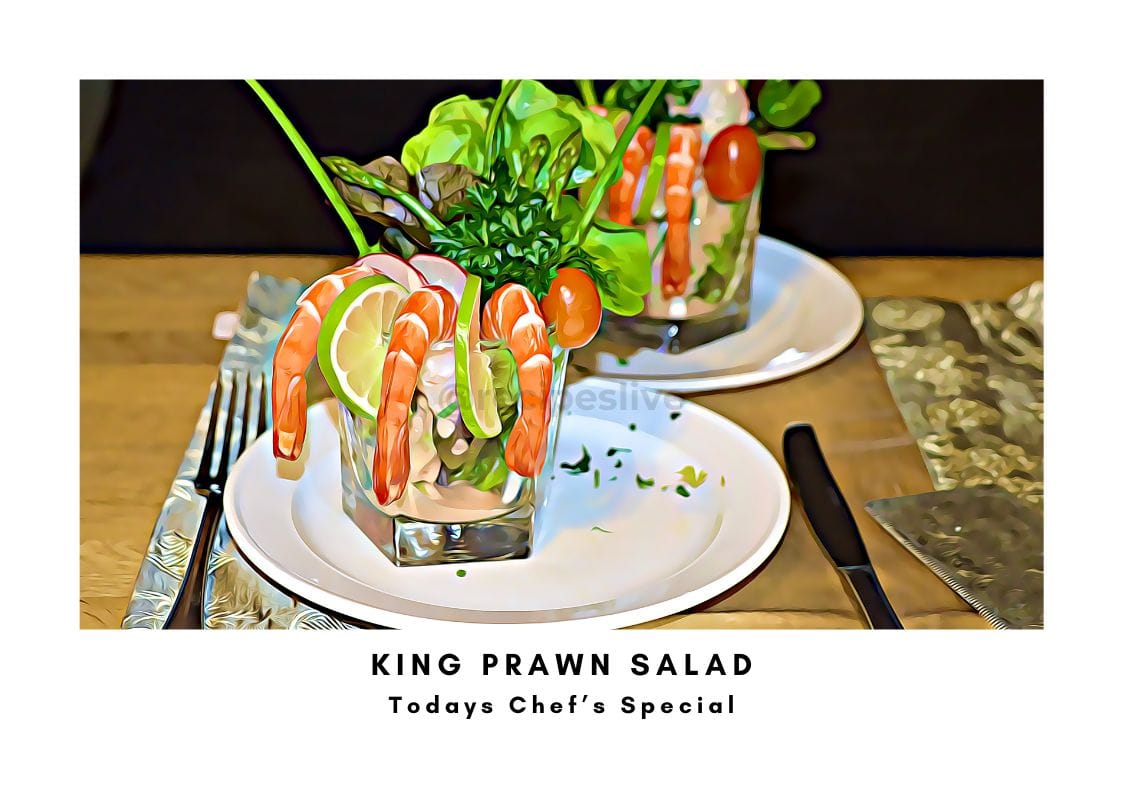
Hey Foodies! #newrecipes #moderncuisine #cookingclasses #chefsspecials
Get ready for some delicious changes here at Recipes_Live! We are elevating our passion for food.
We aim to help food businesses like yours excel in the culinary world with Modern Australian Cuisine.
Think mouthwatering Chef-Specials that have customers lining up. Imagine stunning food photography that pops up on Instagram.
Envision engaging video tutorials that make cooking a breeze. We’re here to help you shine. ✨
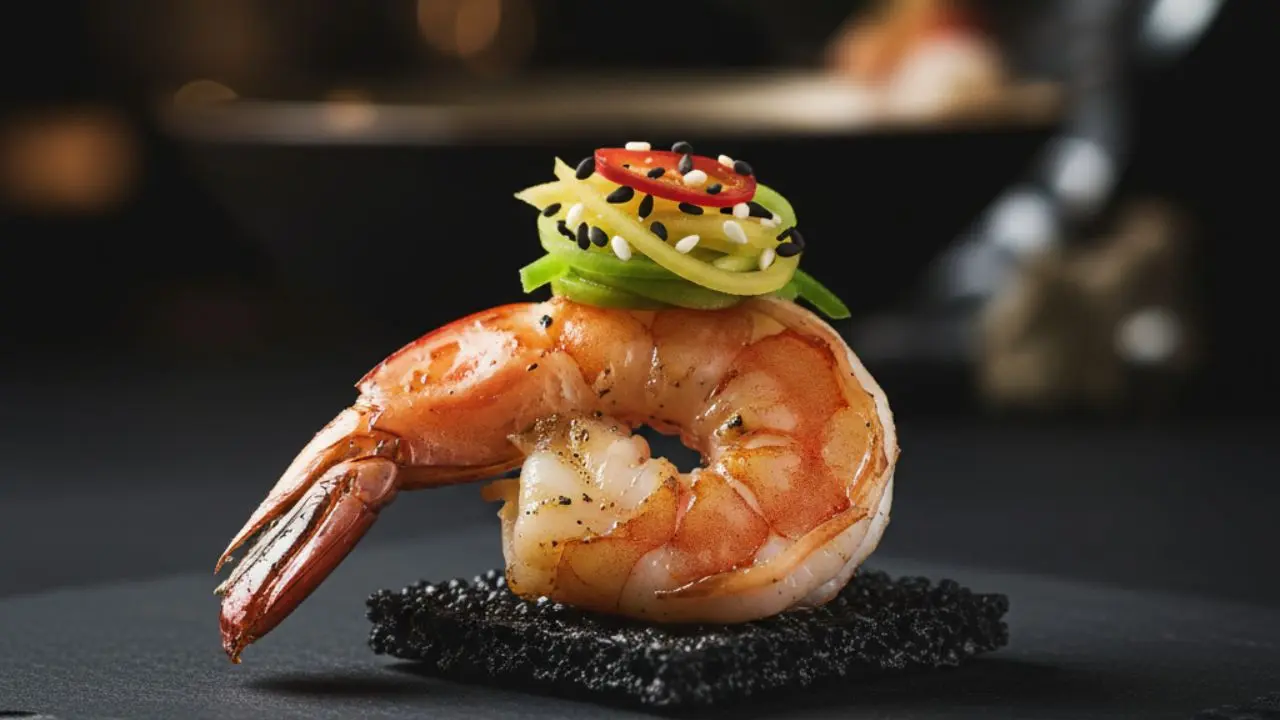
Canapes Catering Ideas For Christmas Number 1 Catering is an act of illusion. The perfect canapé must deliver a fully realised dish—texture, temperature, and balanced flavour—in a single, elegant bite. King Prawn Canape This King Prawn Canape is the epitome of that philosophy, designed to be passed with confidence at any high-end gathering. It’s an…

If you want to understand the soul of French cooking, you start with the mother sauces. And Béchamel is arguably the most versatile of them all. In every professional kitchen I’ve worked in, from fine dining to bustling bistros, there was always a pot of Béchamel ready to go. It’s the starting point for so…

In any professional kitchen, the canape is king. It’s the first thing your guests taste, and it sets the tone for the entire meal. The secret isn’t complexity; it’s impact. You need a perfect bite that’s packed with flavour but easy to handle. That’s where these Garlic Prawn Tartlets come in. They were my go-to…
Modern Australian cuisine is about fresh, seasonal ingredients, bold flavours, and creative flair. It celebrates Australia’s diverse culinary heritage with a contemporary twist. By focusing on this exciting and evolving cuisine, you can: Plus I’m bloody Aussie.
We’re committed to providing you with the best possible resources and support. Here’s a sneak peek at what’s next:
We’re incredibly excited about this new chapter and can’t wait to partner with you on your culinary journey! Stay tuned for more updates and delicious content coming soon.
Find Out More @RecipesLive:
Cooking Tips:
Tools and Equipment:
Plates and Tableware:
Further References: